
Inspiratory Flow Limited Breathing
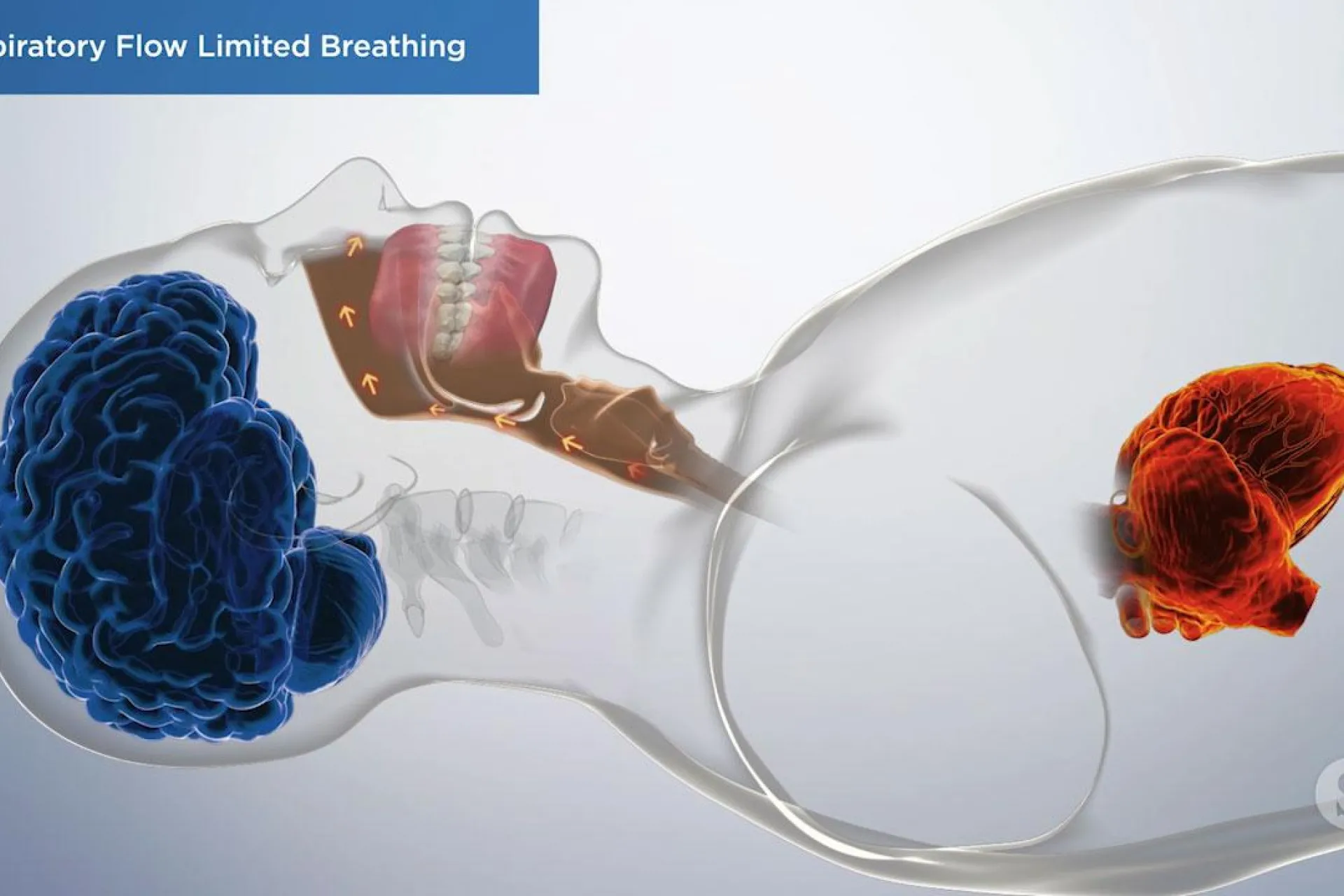
Inspiratory flow limitation, or IFL, occurs during sleep when airflow is restricted due to the relaxation of the tongue and soft palate moving them nearer to the back of the airway. As the airway narrows, the rate of air allowed to pass through is limited.
While the sounds of breathing may remain the same, the limitation to flow creates a greater work of breathing or effort. The oxygen levels in the blood may also remain stable.
The chronic stress of this breathing pattern may lead to an arousal. An arousal is not usually an awakening. Instead it is simply a disruption in the sleep cycle that you are experiencing.
There is typically movement, increased brain wave activity and heart rate. The arousal triggers the fight or flight reflex as well as releasing the stress hormone cortisol.
Finally, IFL prevents you from gaining the benefits reaped from proper sleep.
In many people with flow limited breathing, it may be accompanied by snoring. Snoring occurs when airflow is restricted and causes an audible fluttering of the upper airway tissues.
The mouth’s structure is one of many factors that can cause IFL. Having a narrow airway means airflow is more forceful thus increasing tissue vibration and a louder snoring sound.
Having a thick, soft palate or an elongated uvula can narrow or obstruct airflow when sleeping. In addition, people who are overweight have extra tissue in the back of their throat that also causes a narrowing of the airway.
Other conditions can cause IFL including sleep deprivation, sleep position, nasal problems and alcohol consumption among others.
As part of the diagnostic process, your doctor may want X-rays or an endoscopic evaluation to check your airway’s structure and, in some cases, a sleep study may be recommended.
Complications associated with chronic IFL may include insomnia, chronic fatigue syndrome, fibromyalgia, gastro-intestinal issues, depression, anxiety, ADHD and nighttime teeth grinding.
Failure to diagnose and treat IFL could lead to obstructive sleep apnea putting you at risk for more serious long-term health conditions like high blood pressure, stroke and heart disease.
Given the potentially dangerous complications arising from untreated IFL, it is critical to work closely with your dentist to develop a treatment plan that meets your unique needs and improves your overall health.